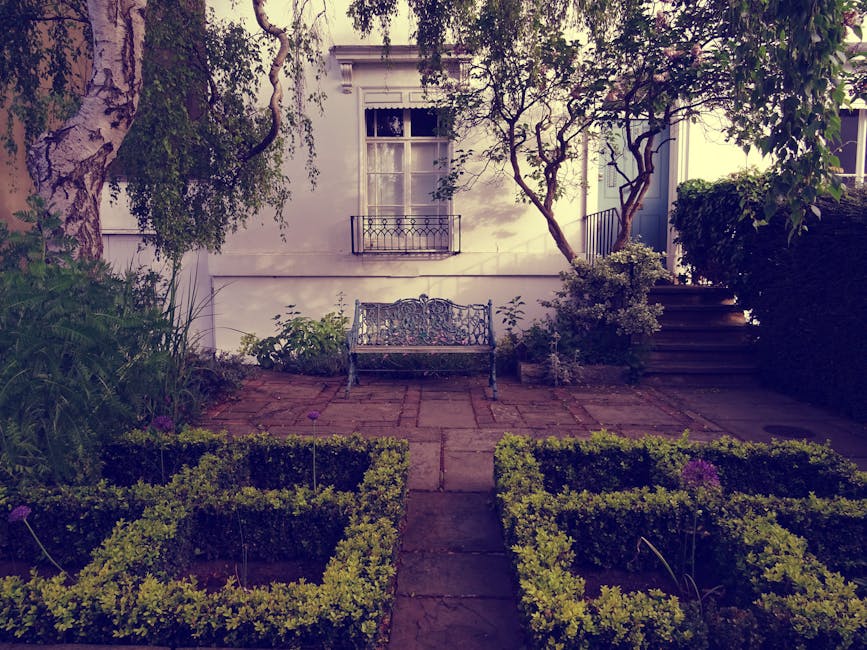
Garden Maintenance in Blackheath

Garden maintenance in Blackheath is about keeping outdoor spaces tidy, healthy and ready for everyday use, without overcomplicating the work or turning it into a one-off clear-up every season. Our service covers regular upkeep for lawns, borders, hedges and planted areas, along with practical tidying that helps the whole garden look cared for. If you want a dependable approach to routine outdoor care, we can help you keep on top of the basics and plan the work sensibly. Request a quotation when you are ready.
We handle maintenance tasks that support the condition of the garden as well as its appearance. That can include mowing, edging, trimming, clearing light debris, and managing overgrowth before it spreads into paths or planting areas. Where a garden needs a more structured routine, we can organise the work so each visit covers the right priorities in a sensible order. The aim is straightforward: a neater garden that is easier to enjoy and simpler to look after between visits.
For many properties, maintenance is most effective when it is consistent rather than reactive. Small jobs carried out regularly often prevent bigger repairs or heavy cutting later on. If you are comparing options, think about what actually needs attention through the year: lawn care, hedge control, seasonal tidy-ups, or a combination of those tasks. Tell us what your garden needs, and we can prepare a quotation that matches the scope of the work.
Routine lawn and border care
Lawn and border care often form the core of garden maintenance because they shape the first impression and influence how manageable the rest of the space feels. A lawn that is cut to the right height and edged neatly will usually look better for longer than one that is left to grow unevenly. Borders also benefit from regular attention, especially where weeds, dead growth or fallen material can make them look tired even when the planting itself is healthy. Our work keeps those parts of the garden in better order without unnecessary disruption.
Good maintenance is not only about cutting back growth. It is also about noticing what the garden needs next. Some areas may need light deadheading, others a gentle tidy around paths or beds, and some may need more careful trimming to avoid damaging young plants. Where edging or clearing is needed, we focus on clean, accurate results that improve definition between surfaces and planting. That kind of detail can make a garden feel more intentional and easier to maintain week after week.
When planning lawn and border work, it helps to think in terms of the outcome you want. A few gardens mainly need presentation work, while others need practical maintenance that reduces strain on the whole outdoor space. The right schedule depends on growth rate, how the garden is used, and how much detail you want retained around beds, paths and lawn edges. If you are unsure what level of care is appropriate, a simple quotation request is usually the best place to start.
Hedge trimming and controlled shaping

Hedge trimming plays a major part in keeping a boundary or feature planting looking orderly. Done well, it preserves the shape of the hedge while preventing it from becoming too wide, too tall or uneven across one side. Our hedge work is suitable for routine upkeep as well as corrective trimming where a hedge has been left to grow beyond the neat outline you want. In each case, the aim is to improve structure without making the plant look harshly cut.
Different hedges need different handling. Some respond well to light, regular trims, while others need a more cautious approach to avoid taking away too much at once. We work with the shape already present and keep the cut consistent so the hedge settles back into a clean line. This is particularly useful where a hedge frames a path, defines a front garden, or separates planting from a lawn that is already carefully maintained. A precise finish can improve the whole setting.
Hedge trimming can also affect access, light and movement around the garden, so it is often worth combining it with other maintenance work rather than treating it as a separate task in isolation. If overgrowth has started to interfere with a gate, a path or nearby plants, it may be better to address the surrounding area at the same time. Ask for a quotation if you would like the hedge work costed alongside wider garden upkeep.
Seasonal tidy-ups and general upkeep
Seasonal garden tidy-ups are useful when a garden needs a reset after growth, weather or leaf fall has left it looking cluttered. This type of maintenance usually focuses on the visible and practical elements first: clearing away debris, reducing untidy growth, and restoring definition to the edges and surfaces of the space. It is not a redesign or a full landscaping project; it is a careful, useful service that brings the garden back under control and makes later care easier.
General upkeep can include the small jobs that are easy to delay but make a clear difference when they are done together. That might mean lifting leaves from borders, removing fallen twigs, straightening lightly distorted growth, or trimming back plants that have started to spill too far into walkways. These tasks matter because they stop the garden from looking neglected and they reduce the amount of effort needed later. The result is usually a cleaner, clearer outdoor area with better structure.
If you are deciding what to include in a seasonal tidy-up, it can help to separate essential work from optional work. Essential work is what restores access, tidiness and basic control. Optional work is anything that improves the appearance further once the main tasks are done. That distinction makes it easier to request a sensible quotation and avoids paying for work that is not actually needed. A clear brief usually leads to a better fit for the garden and the budget.
Garden clearance and heavier cut-back

Garden clearance is useful where a space has become overgrown, cluttered or difficult to use because plants, waste material or unwanted growth have been left to build up. Unlike routine maintenance, clearance is usually more intensive and focused on restoring order quickly. It can involve taking away accumulated debris, cutting back excessive growth and opening up areas that have become blocked or difficult to access. The work is practical, straightforward and aimed at making the garden manageable again.
Heavier cut-back needs care, because not every plant should be reduced in the same way or at the same time. Some growth can be shortened to improve access and visibility, while other material may need more selective pruning to avoid harming healthy plants. Where a garden has mixed planting, the right approach is to work steadily and check what should be removed, retained or reshaped. That way the clearance work improves condition without damaging the parts of the garden you still want to keep.
People often choose clearance before routine maintenance can begin again, especially where the garden has been difficult to use for a while. Once the space is under control, it is easier to decide which tasks should become regular and which only need occasional attention. If you are planning a one-off reset or a broader tidy-up, it helps to describe the main trouble spots clearly. That allows us to prepare a quotation that reflects the real workload rather than a vague estimate.
Keeping the garden practical and presentable
Practical maintenance is as important as appearance, because a garden is easier to enjoy when paths, borders and planted areas are simple to move through. We approach the work with both of those aims in mind. A well-kept garden does not need to be ornate; it needs to be controlled, readable and free from unnecessary clutter. That is why we pay attention to lines, edges and access as well as the plants themselves. Small improvements in these areas can make a noticeable difference.
Where gardens have several features close together, maintenance often works best when the tasks are coordinated. For example, trimming a hedge may expose a border that then needs tidying; mowing a lawn may reveal edging work that helps the whole area look finished; a clearance may uncover planting that then benefits from lighter follow-up care. Thinking about the work in this connected way helps prevent repeated visits for very small jobs and keeps the maintenance plan efficient. It also helps the garden hold its shape for longer.
Simple preparation makes the visit more effective. If access points are easy to reach and you can point out any delicate planting, awkward corners or areas that need extra attention, the work can begin in a more organised way. That does not mean you need to overprepare the garden; it simply means the job can be planned around the actual conditions on site. If that sounds suitable, request a quotation and outline the type of maintenance you want carried out.
Pricing factors and quotations
Garden maintenance pricing usually depends on the size of the outdoor area, the type of work needed and how much time the tasks are likely to take. Regular mowing or light tidying is different from hedge reduction, overgrowth control or a more involved seasonal reset. Access can also matter where a garden has narrow side passages, complex levels or areas that are harder to reach. A good quotation should reflect those practical details rather than relying on a one-size-fits-all assumption.
It is helpful to identify the main priorities before asking for a price. That might be the lawn, the hedges, border tidy-up, debris removal or a combination of several jobs. If there are areas you want left untouched, that is useful to mention too, because it allows the quote to stay accurate and avoids unnecessary work. Clear information tends to produce a better estimate and a better plan for the visit, especially where the garden has a mix of routine and heavier tasks.
If you want a quotation for ongoing upkeep or a one-off maintenance visit, describe the garden in ordinary terms and mention the main tasks first. You do not need a perfect list, but the more accurate the outline, the easier it is to match the work to the right service level. Send the details when you are ready, and we can respond with a quotation based on the maintenance required.
About Blackheath
Blackheath is a large open space and historic district in south-east London, known for its broad common, village-like centre and long association with settlement around the edge of the heath. The name refers to the heath itself, which forms one of the area’s defining landscape features, and the surrounding roads and buildings have grown around that open ground over time. The wider locality sits close to Greenwich and Lewisham, with transport links that connect it to central London while preserving a distinct local character. Blackheath railway station is one of the area’s key points of access, and the nearby streets combine residential terraces, period houses and shops around the village centre. The open land of Blackheath has historically been associated with public gatherings, sports and movement through the district, while the nearby villages and lanes give the area a layered urban feel rather than a single uniform pattern. Architecture in and around the centre includes Georgian and later houses, churches and civic buildings, with streets that reflect the gradual development of the neighbourhood over many decades. The heath itself remains a major part of the setting, offering wide skies and open views uncommon in inner and south-east London. Seasonal events, local cafés and independent businesses contribute to the everyday atmosphere, while the proximity of Greenwich Park, the River Thames and other nearby landmarks places Blackheath within a broader historic landscape shaped by trade, leisure and residential growth.
Work planned to suit the garden
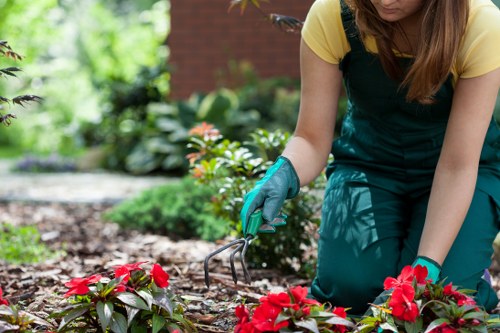
Good garden maintenance is rarely about forcing every space into the same pattern. A compact front garden, a mature rear garden and a property with mixed planting all need slightly different attention. We plan the work around the layout, the condition of the growth and the level of finish you want. That might mean concentrating on presentation in one visit or balancing presentation with light control work so the garden stays easier to handle in future. Either way, the objective is to make the result look deliberate rather than rushed.
Where there are multiple parts to the job, it can help to think in terms of priorities. For example, a lawn may need mowing first because it frames the whole garden, while hedge trimming or border work may follow because those areas are easier to assess once the lawn is cut. In some cases the order may be different if access or overgrowth is the main issue. A sensible sequence makes the work neater and more efficient, and it can improve the final appearance across the whole space.
If your garden needs a combination of regular and occasional tasks, it is usually sensible to group them into one clear request rather than splitting them into unrelated jobs. That makes it easier to understand what the garden needs now and what might be better left for another visit. Tell us about the tasks in plain language, and we can help shape a quotation around the work that matters most.
Lawn mowing and regular cutting
Lawn mowing is one of the simplest ways to keep a garden looking maintained, but the quality of the cut makes a real difference. A careful mow leaves the surface more even, helps define the shape of the space and avoids the patchy look that can come from irregular attention. Regular cutting also makes the lawn easier to manage because it reduces the chance of the grass becoming too long and difficult to bring back into shape. For many gardens, mowing is the foundation of routine upkeep.
We can include lawn work as part of a broader maintenance plan or as a focused task where the grass is the main priority. Where edging is needed, that can help the lawn look sharper against paths, beds and hard surfaces. If the lawn borders unevenly shaped planting areas, a careful finish around the edges can be just as important as the main cut. These are the small details that help a garden appear properly looked after rather than simply cut down.
The best mowing schedule depends on the rate of growth, use of the garden and the standard of finish you want to maintain. Some lawns benefit from frequent light cutting, while others need a more occasional service because the space is used differently. If you are considering lawn care alongside other maintenance, it is often useful to request a quotation that covers the lawn and the related tidying together. That keeps the work efficient and avoids duplication.
Further garden care and related services

Some gardens need more than routine upkeep, especially where planting is established or the layout includes structures that need careful management. In those cases, maintenance may sit alongside other practical garden services such as trimming, clearance or light landscaping tasks. The right mix depends on the condition of the space and the result you want to achieve. A tidy garden is not just one that has been cut back; it is one where the different elements work together neatly and do not conflict with each other.
If you are deciding between a simple tidy-up and a fuller service, it helps to think about what is currently limiting the garden. Is it mainly grass growth, hedge spread, unwanted debris or a lack of overall structure? Once that is clear, it becomes easier to decide whether the best first step is routine maintenance, a clearance visit or a more considered programme of work. That distinction matters because it keeps the service aligned with the actual condition of the garden rather than an assumed package.
For a straightforward starting point, use the main points you already know and ask for a quotation based on those. We can then shape the work to suit the space and the tasks that matter most. Request a quotation today if you would like professional garden maintenance in Blackheath, and we will outline the most appropriate next step.