Emergency gardeners for storm damage in Blackheath
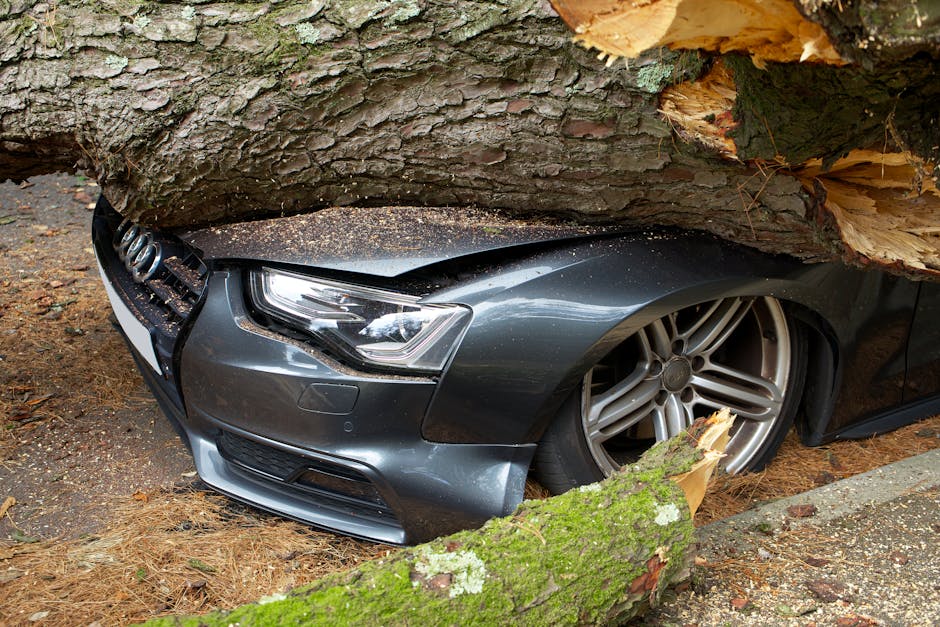
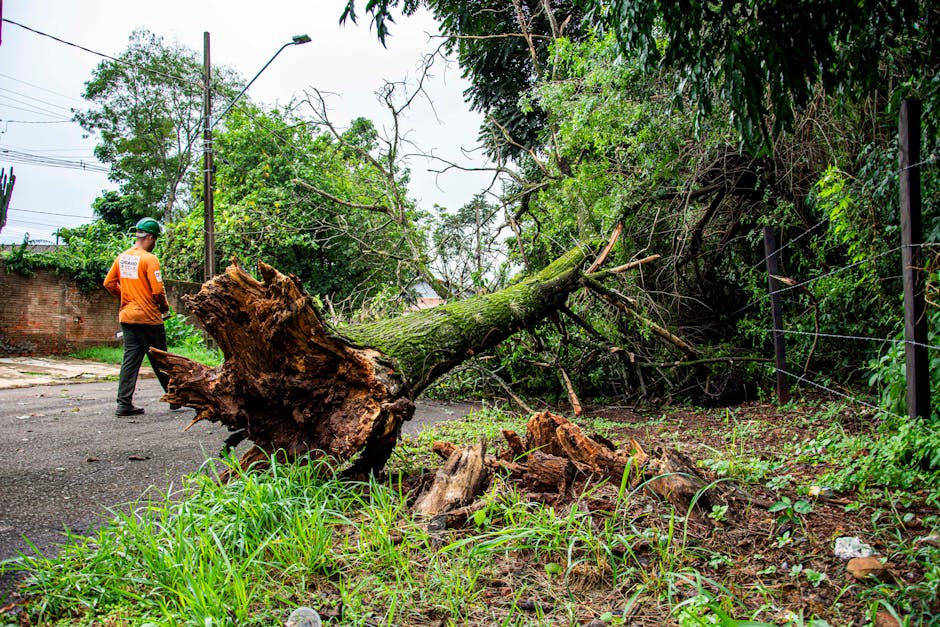
When a storm hits, a garden can go from calm to chaotic in minutes. Broken branches, scattered debris, leaning trees, damaged fences, and waterlogged borders can make the whole space feel unsafe and overwhelming. If you need emergency gardeners for storm damage in Blackheath, the priority is simple: make the area safe, stop the damage getting worse, and get a clear plan for clean-up and recovery.
That might mean a same-day callout, a quick assessment after heavy rain or high winds, or a targeted response for fallen limbs blocking access. In our experience, people usually do not need a full redesign straight away. They need practical help, fast. And to be fair, when a garden is littered with snapped ivy, unstable branches, and half-uprooted plants, it is hard to know where to start.
This guide explains how emergency garden storm-damage response works in Blackheath, what to expect, how to choose the right help, and what you can do in the first hour before the gardeners arrive. It also covers safety, best practice, and the difference between urgent clean-up and longer-term restoration.
Table of Contents
- Why emergency storm-damage garden care matters
- How the service works
- Key benefits and practical advantages
- Who needs this and when it makes sense
- Step-by-step guidance
- Expert tips for better results
- Common mistakes to avoid
- Tools, resources and recommendations
- Law, compliance and best practice
- Options, methods and comparison
- Case study or real-world example
- Practical checklist
- Conclusion
- Frequently asked questions
Why emergency storm-damage garden care matters
Storm damage is not just a cosmetic problem. A branch hanging at head height, a split trunk, or a fence panel pulled loose by wind can create genuine hazards. Children, pets, visitors, and even the person trying to tidy up are all exposed if the garden is left as-is. That is the main reason emergency gardeners matter: they reduce risk before it becomes a bigger issue.
Blackheath has a mix of older gardens, mature trees, tight access routes, and neighbouring boundaries that can make storm damage trickier than it first looks. A branch can fall across a rear path, block a gate, or land partly on a neighbouring property. Sometimes the problem is not dramatic at first glance. You step outside, see a few leaves and a bent shrub, and think it is minor. Then you notice the tree has shifted, or a panel is pulling away from the post. That is the moment to act.
There is also the practical reality of weather. After strong winds or heavy rain, broken material can become slippery and unstable. Wet timber is heavier. Soils soften. Roots loosen. The job can change quickly, which is why a calm, methodical response is better than a rushed DIY attempt with a pair of garden shears and optimism.
If the storm has affected more than the garden surface, it can make sense to look at a broader clean-up approach too. Services such as garden clearance and tree lopping and removal often sit alongside emergency storm work, especially where there are large amounts of debris or unsafe tree growth.
How emergency gardeners for storm damage in Blackheath works
Most emergency garden responses follow a simple pattern, even if the damage itself looks messy. First comes an initial call or enquiry, then a brief description of the issue, then a visit or assessment to see what needs immediate attention. The aim is not to solve every garden problem in one go. It is to make the space safe and stable enough for next steps.
In practice, the work often starts with the most urgent items: unstable branches, fallen debris, damaged access points, and anything that could cause a trip, cut, or further collapse. After that, the team can move into sorting, cutting back, clearing, and removing material. If there is extensive mess, the clean-up may be staged so the worst hazards are handled first and the rest follows once conditions allow.
Here is what a typical response may include:
- removal of fallen branches and storm debris
- cutting back split, hanging, or unstable growth
- clearing blocked pathways, drives, and garden access
- securing or assessing damaged trees and shrubs
- tidying borders and lifting debris from lawns
- separating green waste for disposal or recycling
Some gardens only need a fast tidy-up. Others need a more careful combination of emergency work and follow-on maintenance. That is where ongoing support can help, especially if the storm exposed weak hedges, overgrown trees, or neglected areas. A regular garden maintenance plan can reduce the odds of the same issue happening again. Not always, of course. Nature is nature. But it helps.
In a real-world setting, the best emergency crews usually work in plain sight of the risks. They do not just clear the visible mess. They check what is still moving, what is under tension, and what might fall next. That careful approach matters more than speed alone.
Key benefits and practical advantages
The obvious benefit is safety, but there are several others that people often only appreciate after the job is done.
- Faster access: paths, gates, and patios can be reopened quickly.
- Less secondary damage: clearing debris early can prevent rot, lawn scarring, and plant breakage.
- Reduced stress: it is a relief to hand the problem over when everything feels a bit chaotic.
- Better recovery: damaged areas can be assessed properly once the urgent clutter is gone.
- Cleaner disposal: green waste is handled methodically rather than piling up in a corner for weeks.
Another advantage is judgement. A good emergency gardener can tell the difference between a plant that looks dreadful but will recover, and one that needs removal. That distinction matters, because too much cutting can make things worse. Too little can leave a hazard in place. It is a balancing act, frankly.
If the storm has affected larger structures like decking edges, nearby beds, or garden access routes, it may be worth reviewing decking services or landscaping later, once the urgent danger has been addressed. The immediate goal is safety; the longer-term goal is restoring a garden that feels usable again.
Expert summary: emergency storm-damage gardening is about making a damaged outdoor space safe first, neat second, and resilient third. That order saves time, money, and a lot of unnecessary frustration.
Who this is for and when it makes sense
This service is for anyone whose garden has been affected by severe weather and now needs urgent attention. That can be a homeowner, landlord, managing agent, tenant with responsibility for external areas, or a property manager trying to prevent a hazard from spreading.
You are probably in the right place if you are dealing with any of the following:
- a fallen tree branch or split limb
- fence panels blown into beds or across a lawn
- windblown debris blocking a rear entrance
- an unstable hedge or shrub that is leaning after strong gusts
- mud, leaves, and organic debris making paths slippery
- broken garden features that need clearing before repair work
It also makes sense if the garden looks okay from the back door but turns out to be hiding problems at the edges. A fence may still stand, but one post has started to move. A tree may look upright, but the root plate has lifted slightly in the wind. Those are the sorts of details people miss when they are in a hurry, and understandably so.
For larger overgrown spaces, storm damage can expose a wider maintenance issue. In that case, a combination of emergency response and follow-up hedge trimming or lawn mowing can help bring the garden back into shape instead of just removing the worst debris.
Step-by-step guidance
If you are dealing with storm damage right now, keep it simple. Do not try to solve everything at once. Start with the immediate safety issues and work outward.
- Look from a distance first. Check for hanging branches, leaning trees, flooded areas, sharp debris, or damage close to buildings and boundaries.
- Keep people and pets away. If a branch looks unstable, do not walk under it. Obvious, yes, but easy to forget when you are peering at the problem.
- Take a few photos. Not for drama. Just for your own records before anything is moved.
- Note access issues. Is the gate blocked? Is there side access only? Can a van reach the property? Small details matter.
- Describe the damage clearly. Mention trees, hedges, lawns, fences, paths, or decking if they are affected.
- Arrange an urgent visit or callout. A quick assessment can prevent a bad situation from becoming a worse one.
- Approve the immediate safe work first. Prioritise hazard removal before cosmetic tidy-up.
- Plan the follow-up. Once the danger is gone, decide whether you need restoration, pruning, replacement planting, or wider maintenance.
A small but important point: if tree limbs are large, tangled, or resting on structures, leave them alone until a professional has assessed them. It is tempting to tug on them. Everyone does it. Then the branch shifts, and suddenly the situation is less friendly than it was five seconds earlier.
Expert tips for better results
These are the little things that make emergency garden work go more smoothly.
- Be specific about what changed. "A tree is down" is useful. "A medium branch has fallen across the rear path and the hedge is crushed" is even better.
- Do not tidy too much before the visit. It sounds odd, but moving everything can hide the real hazard and make assessment harder.
- Keep access clear. Garden gates, side paths, and parking spots all affect how quickly the work can begin.
- Ask what happens to the waste. Good practice usually includes sensible separation and removal, not just shifting mess from one corner to another.
- Think beyond the visible damage. Root movement, soil disturbance, and broken stakes may need attention too.
In wet weather, the best teams work carefully with footing and surface conditions in mind. A muddy lawn after a storm can become a slip hazard before you know it. Honestly, it is the sort of thing you only notice when your boot sinks two inches and makes that horrible squelch sound. Not ideal.
If the storm has left behind a mountain of cuttings and broken material, a professional garden clearance service can be the difference between a garden that looks half-stabilised and one that is genuinely ready to use again.
Common mistakes to avoid
Storm-damaged gardens bring out a lot of good intentions. The trouble is, good intentions and safe methods are not always the same thing.
- Cutting unstable branches yourself. A branch under tension can snap in an unpredictable direction.
- Ignoring hidden damage. A fence, post, or tree may be more compromised than it first appears.
- Dragging heavy debris across the lawn. That can tear turf and make recovery harder.
- Leaving wet debris in piles. It creates smells, pests, and ugly patching if left long enough.
- Trying to "sort it later." Later often becomes next week, then next month, and the problem gets heavier.
Another mistake is assuming emergency garden work and long-term landscape repair are the same thing. They are related, but not identical. Emergency work is about immediate hazard control. Longer-term work may involve replanting, reshaping beds, repairing structures, or rethinking parts of the layout. If you need that later stage, landscape gardening can be the logical next conversation.
Tools, resources and recommendations
You do not need a shed full of specialist equipment to deal with storm damage safely, but you do need the right approach and a few sensible tools if you are handling minor clean-up while waiting for help.
- Heavy-duty gloves: useful for sharp twigs, splinters, and bramble-type cuttings.
- Sturdy boots: wet soil and broken branches make ordinary shoes a bad idea.
- Rake and garden fork: for lighter debris and disturbed soil.
- Secateurs or loppers: only for small, non-hazardous growth.
- Tarpaulin or sacks: helps contain debris before collection.
- Head torch or bright torch: useful if the storm has hit late in the day and light is fading.
For homeowners comparing service options, it is worth checking practical details such as response approach, waste handling, insurance, and how the provider explains urgent versus non-urgent work. If you want a better sense of the wider service range, the services overview is a useful place to start. For pricing questions, pricing and quotes can help set expectations before the first visit.
You may also want to understand how the company handles safety and responsibility. Pages such as insurance and safety and health and safety policy can tell you a lot about the standard of care behind the scenes. That matters more than people realise.
Law, compliance and best practice
Storm-damage garden work in the UK is guided less by dramatic rules and more by sensible duty of care, safe working practice, and responsible waste handling. If a tree or branch is clearly dangerous, the right response is to reduce risk carefully rather than rush into removal without assessment.
In practical terms, best practice usually means:
- working safely around unstable limbs and uneven ground
- using equipment appropriately for the job
- protecting neighbouring property where relevant
- disposing of green waste responsibly
- being honest about what can be safely done immediately and what needs follow-up
If tree work is involved, especially where a mature specimen is leaning or split, caution is essential. Not every damaged tree should be cut down at once, and not every branch should be removed by hand. A careful inspection first is the sensible norm. The same goes for health and safety more broadly: good operators do not pretend a risky job is simple, because it is not.
For readers who care about the bigger picture, sustainability also matters. Clearing storm debris can be done in a way that supports recycling and responsible disposal rather than sending everything to mixed waste. If that is important to you, the page on recycling and sustainability is worth a look.
Options, methods and comparison
There is more than one way to respond to storm damage, and the right choice depends on how severe the problem is. Here is a straightforward comparison.
| Approach | Best for | Pros | Limitations |
|---|---|---|---|
| DIY tidy-up | Light debris, safe ground-level mess | Fast for small jobs, low cost | Not suitable for unstable branches or large fallen material |
| Emergency gardener callout | Urgent safety concerns, blocked access, storm debris | Quick assessment, safer handling, practical cleanup | May not include full restoration in one visit |
| Full garden clearance | Heavy debris, widespread damage, neglected storm aftermath | Comprehensive reset, better for large mess | Less focused on immediate hazard control alone |
| Follow-on maintenance or landscaping | Repairing the garden after the emergency has passed | Improves resilience and appearance long term | Not the first step when something is unsafe |
To put it simply: if the garden is dangerous, call for emergency help first. If it is messy but stable, you may be looking at clearance or maintenance. If the storm has changed the shape or function of the space, a later landscaping phase may be the right route.
Case study or real-world example
Imagine a Blackheath garden after an evening of strong winds. The homeowner steps out the next morning and finds a large branch across the lawn, two smaller limbs tangled in the hedge, and a side path blocked by leaves and bark. The gate still opens, but only just. The space is not a total write-off. It just feels stuck.
The first job is to make sure nobody uses the unsafe path and to check whether the branch is resting on anything important. Then the emergency gardeners remove the loose debris, cut back the broken hedge sections, and clear the access route. The lawn is left a bit battered, but usable. After that, the homeowner can decide whether the hedge needs restorative trimming, the tree needs further attention, or the whole side boundary should be reviewed more carefully.
That is a realistic outcome, and honestly a common one. Most storm jobs are not cinematic disasters. They are awkward, messy, and time-sensitive. The aim is not perfection on day one. It is control, safety, and a clean starting point for recovery.
Practical checklist
Use this quick checklist if you are dealing with storm damage in Blackheath today.
- Check for hanging branches or visibly unstable trees.
- Keep children and pets away from the affected area.
- Look for blocked gates, paths, or drive access.
- Photograph the damage before moving anything if it is safe to do so.
- Note whether fences, decking, or structures have been affected.
- Avoid cutting large or under-tension branches yourself.
- Arrange urgent help if there is any safety concern.
- Ask whether waste removal and follow-up maintenance are included.
- Plan any later pruning, clearance, or landscaping separately.
- Confirm how the company handles safety, insurance, and disposal.
Quick takeaway: make the garden safe first, then deal with the mess, then decide what the longer-term fix should be. That order keeps things sensible.
Get a free quote today and see how much you can save.
Conclusion
Storm damage can leave a garden looking untidy, unsafe, and oddly out of character with the rest of the home. One minute it is a familiar bit of outdoor space; the next it is a tangle of branches, mud, and broken edges. The good news is that a careful emergency response can make a big difference quickly.
If you need emergency gardeners for storm damage in Blackheath, the smartest move is to focus on immediate safety, clear communication, and a realistic plan for recovery. Do the urgent work first. Leave the high-risk stuff alone until it has been assessed. Then bring the garden back step by step. It does not have to be perfect on day one.
And once the dust settles, or the leaves settle, if you prefer, you will usually find the garden is recoverable with a bit of good judgement and prompt attention. Gardens bounce back. Sometimes they just need a hand.
Frequently Asked Questions
What counts as an emergency garden storm-damage job?
It usually means any situation where wind, rain, or fallen debris has made a garden unsafe, inaccessible, or at risk of further damage. Common examples include hanging branches, collapsed hedge sections, blocked paths, and leaning trees.
How quickly can emergency gardeners attend in Blackheath?
That depends on the severity of the damage, current weather conditions, and workload on the day. Urgent hazards are generally prioritised first, but exact timing is something to confirm when you make contact.
Can I clear storm damage myself?
You can usually handle light debris, such as leaves or small twigs, if the ground is safe. But unstable branches, split trunks, and anything near structures should be left alone until assessed. It is not worth the risk.
What should I do before the gardeners arrive?
Keep people and pets away from the affected area, take a few photos if it is safe, and make sure access gates or side paths can be reached. Do not move dangerous items yourself.
Will emergency gardening include waste removal?
Often, yes, but it is best to confirm. Some jobs focus on urgent hazard reduction, while others include full clearance and disposal of green waste. Always ask what is covered.
What if the storm has damaged a tree?
Tree damage needs careful handling because split limbs and lifted roots can be unpredictable. A professional assessment is the sensible next step, especially if the tree is near a building, boundary, or access route.
Is emergency garden work different from normal maintenance?
Yes. Emergency work deals with immediate safety and access issues after storm damage, while regular maintenance is about keeping the garden healthy and manageable over time. They often work well together, but they are not the same thing.
How do I know whether I need clearance or landscaping after the storm?
If the issue is mostly debris and broken material, clearance may be enough. If the storm has changed the layout, damaged borders, or left the garden needing structural repair, landscaping may be the better follow-up.
Should I worry about hidden damage after a storm?
Yes, especially with trees, fences, and soft ground. Sometimes the obvious mess is only part of the problem. A branch may have cracked higher up, or a root ball may have shifted slightly without fully falling. That is why a proper inspection matters.
What makes a good emergency gardener for storm damage?
Look for clear communication, sensible safety practice, a practical approach to urgent risks, and a willingness to explain what should happen now versus what can wait. Calm, careful judgement is the real mark of quality here.
Can storm damage affect lawns and planting beds too?
Absolutely. Heavy debris can flatten grass, compact soil, and crush border plants. After the urgent clean-up, you may need a bit of lawn recovery, pruning, or replanting to bring everything back into shape.
Where can I see more about the company's policies and service approach?
Useful pages to review include about us, insurance and safety, and services overview. They can help you understand the standards behind the work before you book.